
Trade Houses Smarter: Why More Owners Are Swapping Instead of Selling
Trading houses can be a practical way to change locations, downsize, shift into a different lifestyle, or unlock value without relying only…
Trade Houses Smarter: Why More Owners Are Swapping Instead of Selling
Trading houses can be a practical way to change locations, downsize, shift into a different lifestyle, or unlock value without relying only on a traditional sale. For homeowners who want flexibility, a property swap can open doors that a standard listing sometimes cannot.
At GoSwap.org, owners can list houses for trade and connect with people seeking compatible properties. If you have a home, land, or another qualifying asset, listing it for swap can help you reach motivated traders looking for a better fit.
Why House Trading Appeals to Homeowners
A house trade can make sense when your goals are clear:
- You want to relocate
- You want to downsize
- You own free and clear and want options
- You have a vacation property with different value to different buyers
- You want to exchange into a property type that better matches your needs
Instead of waiting for the perfect buyer and then starting over as a buyer yourself, a swap can align both sides of the move.
A Real Example: Lake Arenal Jungle Retreat
One current GoSwap.org listing shows how unique homes can stand out in the trading market.
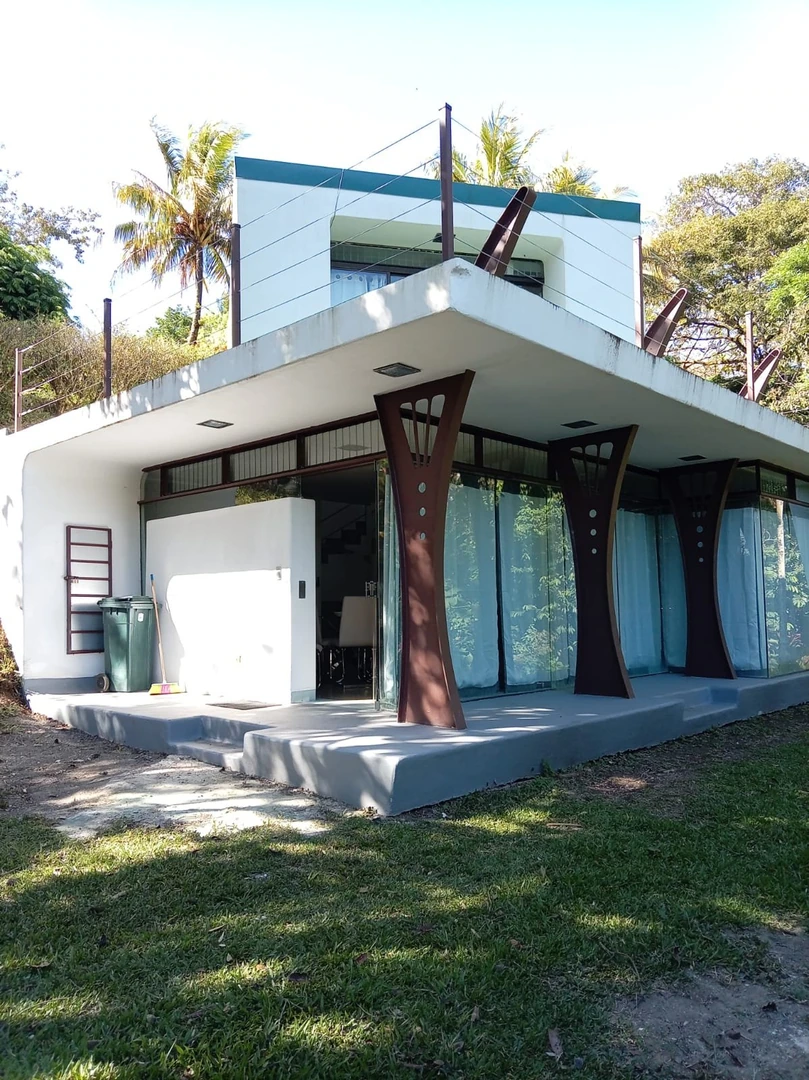
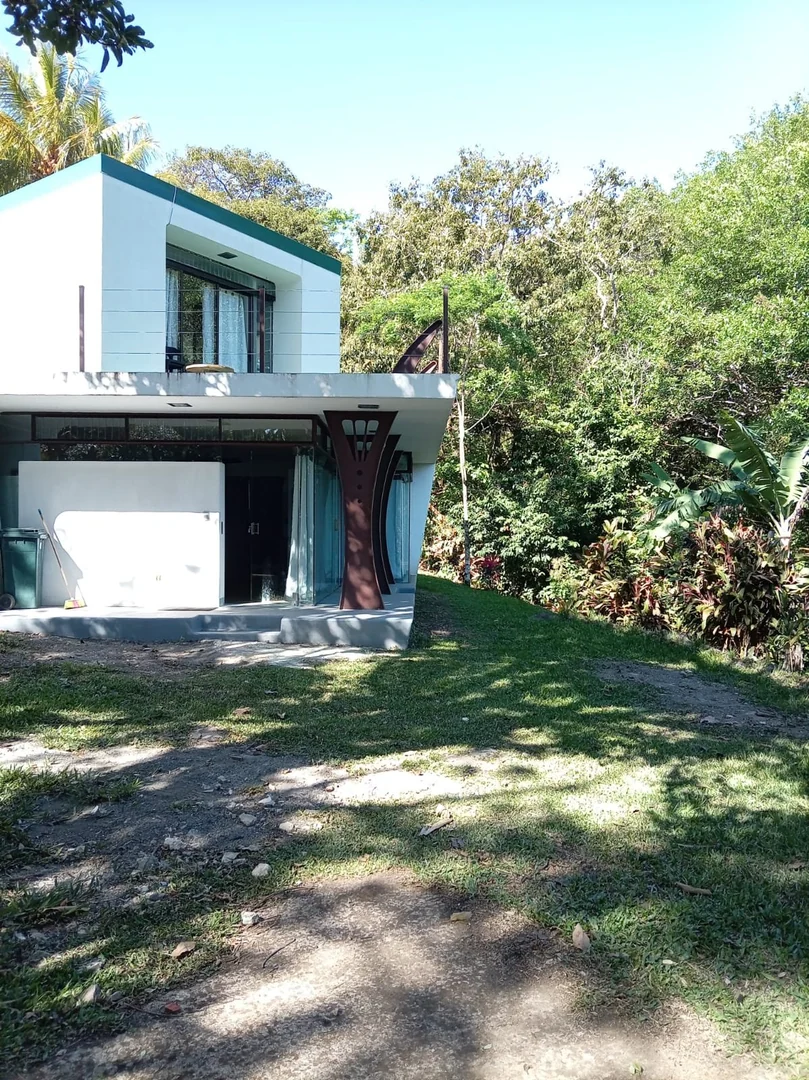
Lake Arenal Jungle Retreat is an active single-family listing with a value of $310,000. The property is described as a unique design house overlooking Lake Arenal and tucked in the jungle, with large glass doors and windows that create an immersive indoor-outdoor feel.

What Makes This Property Interesting for a Trade
This listing includes several qualities that can attract swap interest:
- 1 bedroom and 1.5 bathrooms
- Built in 2009
- 1.5 acres
- A small coffee grove
- Close to the Lake Arenal Hotel and Brewery
- Vacation rental potential
- Currently marked vacant
For the right trader, this is more than a house. It is a lifestyle property with potential personal use and possible rental appeal.
What This Owner Is Seeking
The owner is seeking:
- A home or property in Florida or Georgia
- Up to a maximum swap value of $217,000
- Property types including:
- single-family
- manufactured
- land
- transportation car
- farmhouse
The listed swap types include:
- even swap
- own free and clear
- downsizing
This is a great example of how house trading can be highly specific. A homeowner can define location preferences, acceptable property types, and value expectations up front.
Why Unique Homes Often Perform Well in Swaps
Distinctive properties may not always fit the broadest conventional buyer pool, but they can be especially compelling in a swap marketplace. A buyer looking for a jungle retreat near Lake Arenal may be far more motivated if they can trade out of a Florida or Georgia property rather than coordinate a separate sale and purchase.
That is one reason house trading can be powerful: it helps match lifestyle-driven demand with flexible deal structures.
Tips for Listing a House for Trade
If you are thinking about swapping your property, focus on the details that matter most to potential traders:
1. Be clear about value
State your property value and the kind of trade structure you will consider.
2. Describe the lifestyle
Buyers do not just trade for square footage. They trade for convenience, setting, land, privacy, rental potential, and long-term fit.
3. Specify what you want
Include target states, property types, and maximum swap value if relevant.
4. Highlight flexibility
If you are open to downsizing, even swaps, or mixed-asset trades, say so.
5. Use strong photos
Clear images help traders quickly understand what makes your property different.
Practical Takeaways
If you own a house and want more options than a traditional sale, trading may be worth serious consideration.
A strong trade listing should show:
- what you have
- what it is worth
- what makes it desirable
- what you want in return
- how flexible you are
The Lake Arenal Jungle Retreat listing shows exactly how this can work: a distinctive single-family home, a defined value, clear trade goals, and a specific target market.
Ready to Trade Your House?
If you have one house or multiple properties and want to explore a smarter way to move, list your house for trade on GoSwap.org. Whether you are downsizing, relocating, or trying to exchange into a better-fit property, a swap listing can put your home in front of motivated owners who are ready to make a deal.
List your house for trade on GoSwap.org and see what opportunities your property can unlock.
Latest Posts
Browse published articles and open any post directly.
In a Tight Market, Negotiate the Gap—not the House
When cash buyers push discounts, a swap preserves value by negotiating the gap between assets instead of discounting the whole move.
Trading a Business for Property, Vehicles, or Another Business: What Actually Makes a Swap Work
A business trade can turn a long sale cycle into a direct move—if the assets, numbers, and risks actually line up.
Trade Houses Smarter: Why More Owners Are Swapping Instead of Selling
Trading houses can be a practical way to change locations, downsize, shift into a different lifestyle, or unlock value without relying only…
Imagine the Swapabilities
All the swaps that could happen
About the GoSwap blog
We cover the practical side of asset swapping: how owners trade houses, vehicles, boats, aircraft, land, and businesses, how to structure a proposal when two assets aren't worth the same, and what we're seeing across marketplace listings.
Swap mechanics and how-tos
Sending a proposal, agreeing on terms, signing a letter of intent, closing. New here? Start with the how-to-swap guide.
Market and category guides
What trades well in each asset class, how owners price for a swap, and the cross-category pairings that keep showing up.
Deal structure and financing
Cash on one side, added assets, or owner financing — and the trade-offs of each. For the bigger picture, see why swap.
Due diligence and closing
Titles and liens, inspections, valuations, and the paperwork that protects both sides. Common questions live in our FAQ.